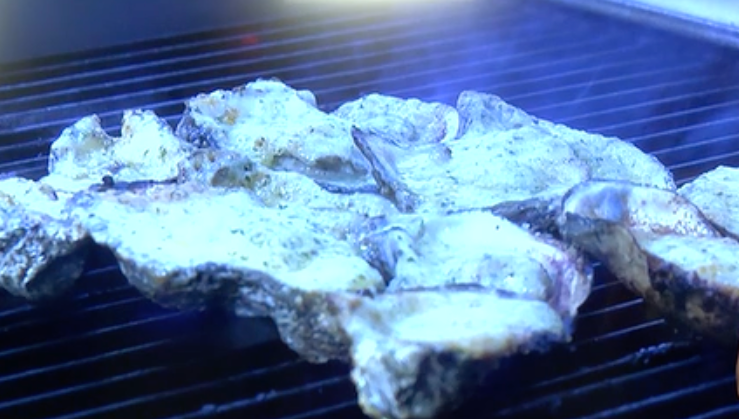

The Apalachicola Bay oyster harvest season returns this fall, but commercial oystermen will face lower harvest limits as Florida continues restoring one of the state’s most valuable fisheries.
What to Expect for the 2026-2027 Oyster Season
The Florida Fish and Wildlife Conservation Commission (FWC) will open the commercial wild oyster harvest season on October 1, 2026. The season will run through February 28, 2027.
State officials introduced stricter regulations to protect the recovering oyster population while allowing both commercial and recreational harvesting.
The commercial harvest limit drops from 31 bags to 19 bags per oysterman. The recreational limit remains one bag.
Harvesters may collect oysters from only three reefs:
Cat Point
Cat Point Spur
Peanut Ridge
FWC will keep East Hole Reef closed to support restoration efforts and encourage further recovery.
These changes reflect Florida’s careful approach after reopening the fishery earlier this year following a five-year closure.
Local Oystermen Share Concerns
Many local oystermen hoped the longer five-month season would bring larger harvest limits. Instead, the lower cap has left many disappointed.
Some expected the state to increase the daily bag limit after last season’s successful reopening. The new rules take a more conservative approach. Many harvesters believe they could reach the 19-bag limit within a few days, reducing their earning opportunities for the remainder of the season.
FWC says the reduced limit will help protect oyster reefs as they continue to recover.
The January 2026 reopening marked the first commercial harvest after the bay closed for five years. During that season, commercial harvesters collected more than 4,200 bags of oysters.
FWC also issued 89 warnings and 16 citations. Most violations involved paperwork or exceeding harvest limits. Officials focused on educating harvesters as they returned to the water.
Restoration Remains a Top Priority
Florida continues investing in the future of Apalachicola Bay.
FWC has committed $10 million in state funding to restore oyster reefs on the western side of the bay. The agency plans to restore about 2,000 acres of oyster habitat by 2032.
Recreational harvesting will remain limited. Officials will distribute 127 recreational permits through a lottery later this year.
The recovery of Apalachicola Bay benefits more than commercial oystermen. Healthy oyster reefs support local seafood businesses, restaurants, tourism, and coastal communities across Florida’s Forgotten Coast and nearby 30A. As restoration continues, officials hope these conservation efforts will create a stronger and more sustainable oyster fishery for future generations.
Sign up for the Homely 30A newsletter to stay up to date on 30A.